000

Mental preparation for athletes · Neuroscience

The invisible training behind the win

Plenty of athletes do everything right in training and still lose it in their head when it matters. That is the part we train, grounded in neuroscience.

Why we exist

For athletes who are physically, tactically and strategically excellent and who, at the moment that decides it, are betrayed by their own head. Because they train the body and never trained the part that settles it.

This is not motivation. It is not talking about feelings. It is technical work on the nervous system: focus, decision-making under fatigue, error recovery, self-confidence and mental recovery, all measured, repeated and reassessed like any other kind of training.

It is what people call invisible training. At the top, it is the difference.

Never give up.

3 minutos · resultado imediato

Want to know where your head is costing you results?

Find out in 3 minutes which areas are strongest, which have the most to gain, and what gets trained in each one.

See my X-ray
0%
  • Self-confidence88%
  • Competing under pressure75%
  • Handling mistakes38%
  • Focus and concentration25%

Where you have most to gain: focus, handling mistakes and recovery.

Sónia Branco Martins, fundadora da Brain Agility

The coach

Sónia Branco Martins

Mental coach · Neuroscience & high performance

“Mental coaching lines the head up with the body and with the goal.”

She has worked with athletes for over a decade. Master coach, high performance coach and life coach, with two postgraduate degrees in neuroscience and a level 1 cycling coaching qualification. She spent eight seasons inside competitive cycling, working with riders on mental preparation, in and out of the team car.

Before that came more than twenty years of teaching, from primary school to adult education, and a life lived between England, France, Mozambique and Cape Verde. It is that mix, scientific rigour and the habit of explaining hard things to real people, that shapes the way she works.

Talk to Sónia

  • 0+ years coaching high performance
  • 0 seasons inside competitive cycling
  • 0 postgraduate degrees in neuroscience
  • 0 working languages: PT, EN, FR, IT
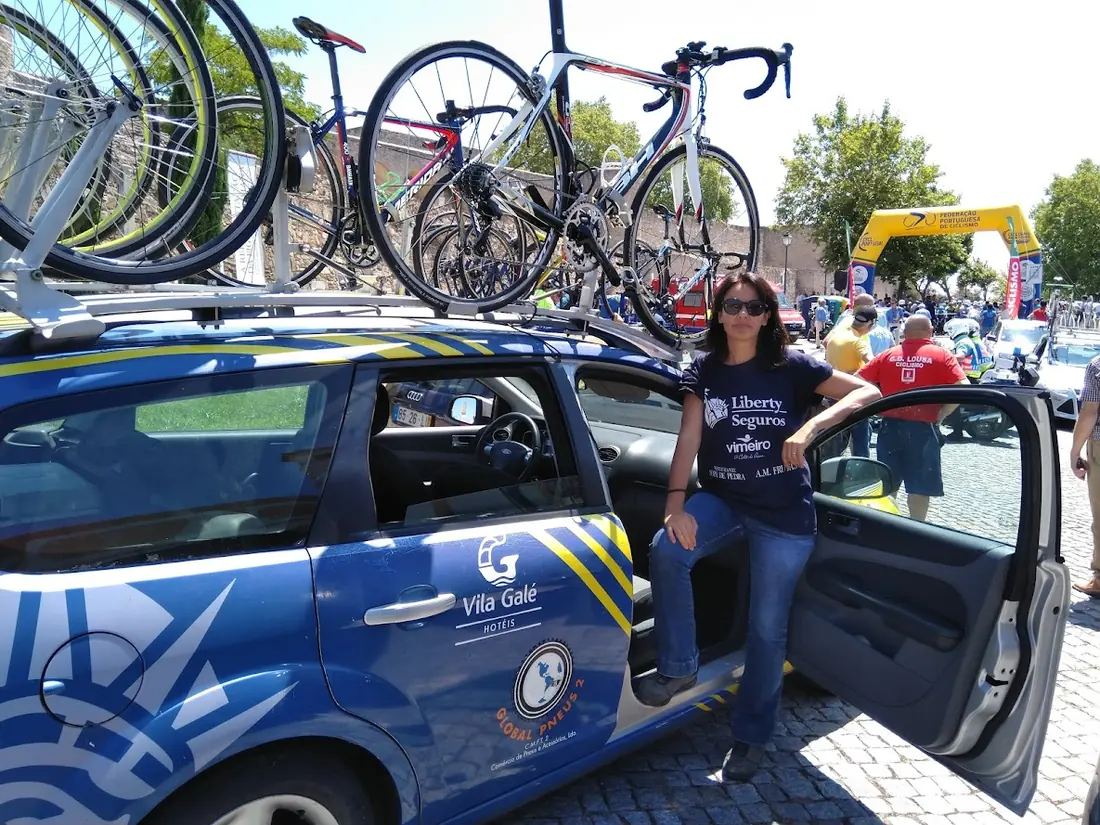
Sónia Branco Martins junto ao carro de apoio numa prova da Federação Portuguesa de Ciclismo
On the road

At a national calendar race, beside the team car.

Mental work starts in the office, but it is proved here, on race day, with the athlete deciding alone at 40 km/h. Talk to Sónia

Sports

The sport changes. The head that decides does not.

The programme starts from the sport, the racing calendar and the athlete. Never from a fixed script.

  • FormatOnline or in person
  • SessionsOne to one or team
  • LanguagesPT · EN · FR · IT
  • Programme6-8 weeks
Sports 01 / 07 Road cycling
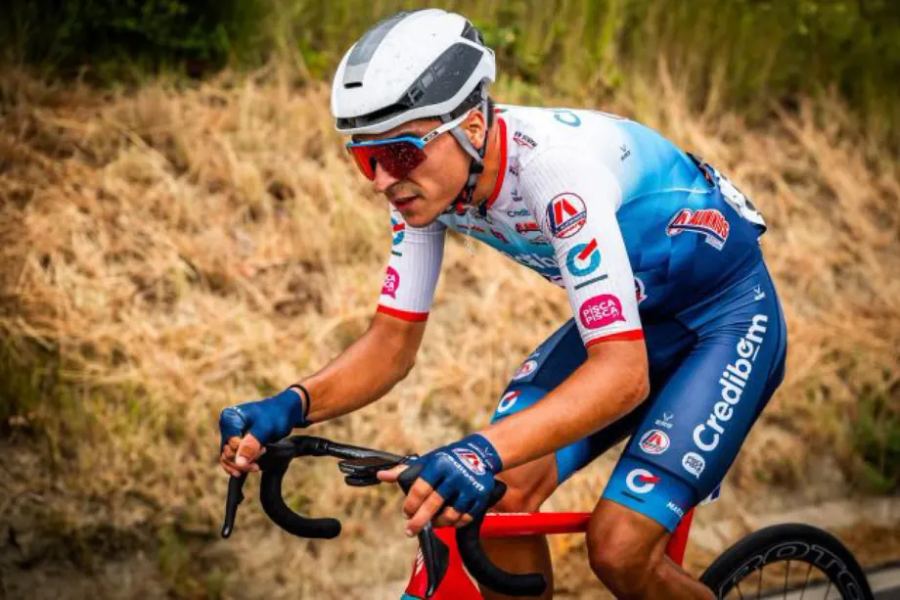
Road cycling

Road cycling

The head switches off when the fatigue bites, and the wheel goes. Eight of Sónia’s seasons inside the national peloton.

  • Handling suffering in long races
  • Tactical decisions under extreme fatigue
  • Mental recovery between stages
  • Concentration in the time trial
  • The domestique role and personal ambition
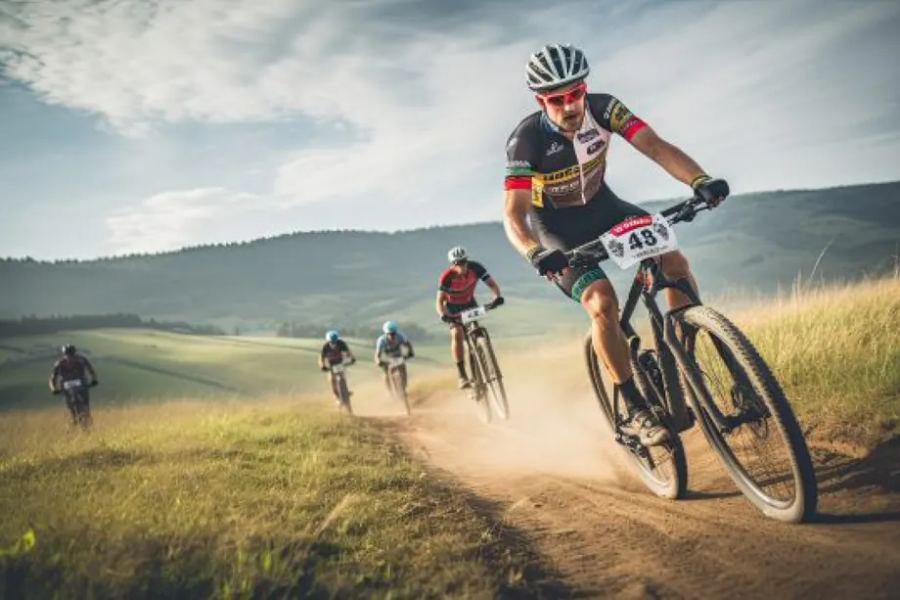
MTB and marathons

MTB and marathons

Races where a mistake costs you immediately and the head tires before the legs do.

  • Reading the trail and anticipating
  • Handling fear after a crash
  • Holding your own pace over distance
  • Focus routines on technical ground
Tennis

Tennis

Under pressure, the game you trained stops showing up. Getting it back is what you train, in the twenty seconds between points.

  • Reset routines between points
  • Handling the error and the next point
  • Consistency under the pressure of a result
  • Anticipation and reading patterns
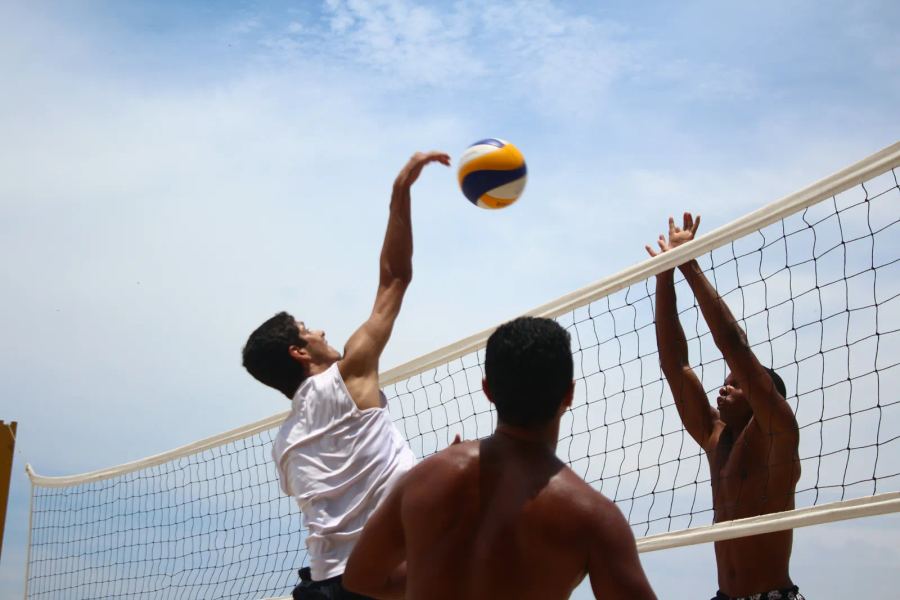
Volleyball and team sports

Volleyball and team sports

Two mistakes in a row are enough for a team to sink together. A side is only as strong as its reaction to the point it just lost.

  • Handling collective mistakes
  • Communication and cohesion in play
  • Reaction time and visuomotor coordination
  • Focus through long runs of points
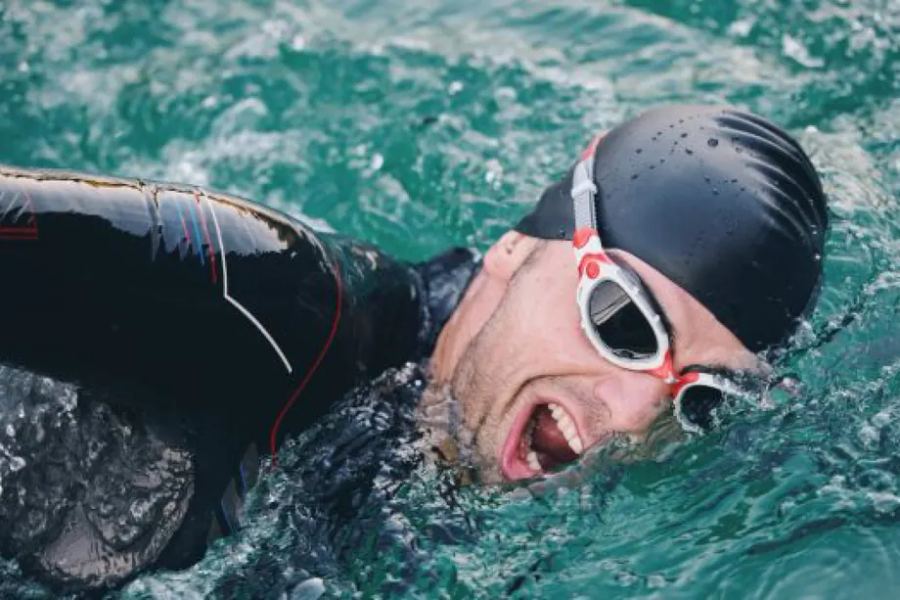
Swimming and triathlon

Swimming and triathlon

Hours alone with your own head, and a single moment not to get wrong.

  • Self-talk under prolonged effort
  • Pre-start routines
  • Handling competition anxiety
  • Transitions and switching task
Athletics and others

Athletics and others

Judo, gymnastics, football, handball, motorsport. The method does not change; the plan does.

  • Assessment of the athlete’s mental profile
  • Fitting the competitive calendar
  • Working alongside the coaching staff
  • Sessions in person or online
Start here

Shall we start?

It begins with an initial assessment, online. You leave with a written plan: where the margin nobody has worked on is, and the two or three things to tackle first.

Book an assessment
01 / 07

What gets trained

What changes in our athletes

These are not promises. It is what Sónia sees happen, over and over, in athletes who take the mental work seriously.

In competition

  • Acts under pressure instead of shrinking.
  • Holds focus in the moments that decide it.
  • Gets to the start line with less anxiety.
  • Recovers from a mistake without losing the rest of the day.
  • Keeps deciding well with the legs already gone.

In the head

  • Understands that the main opponent is you.
  • Starts competing with a resilient head.
  • Accepts that talent alone will not get there.
  • Builds confidence, in competition and outside it.
  • Leaves with tools for the weak spots.

Outside sport

  • Carries discipline and routine into the rest of the day.
  • Handles frustration better at home and at school.
  • Comes back to training wanting to do better.
  • Becomes mentally stronger for life.
  • Learns, literally, never to give up.

The science behind it

It’s not just talk. It’s neuroplasticity.

Mental training works for the same reason physical training works: the body adapts to what is asked of it, repeatedly. The nervous system is no exception.

Neuroscience

The science that studies the mechanisms of the brain and the central nervous system: structure, function and physiology. It is what lets us understand what is actually happening when an athlete freezes in competition.

Neuroplasticity

The nervous system’s ability to change physically, chemically and functionally when it is put through new experiences. It is what makes it possible to build new mental routines, replace settled beliefs and make responses under pressure automatic.

Where the line is

Mental coaching works with healthy athletes. Whenever a case shows signs of psychological distress, depression or trauma, it is referred to clinical psychology, and Brain Agility has that on the team.

Who else is involved

One person in front. A network behind.

Mental preparation is only one part. Sleep, food and head decide as much of a season as the training plan does, and Brain Agility has serious people on each of those fronts, brought in when the case calls for it.

Sónia Branco Martins
Your coach

Sónia Branco Martins

Mental coach and neurocoach. She runs the assessment, designs the plan, leads every session and works alongside the athlete’s or the club’s technical staff.

Specialists brought in case by case
André Almeida

André Almeida

Clinical psychologist and psychopedagogue

For when the case stops being about performance and becomes mental health, in young athletes and adults.

Sandra Marques

Sandra Marques

Sleep physician · internal medicine

Somnologist accredited by the European Sleep Research Society. Sleep is the most underrated recovery pillar in sport.

Carmo Cabral

Carmo Cabral

Clinical nutritionist

Functional and precision nutrition: energy metabolism, inflammation and hormonal balance.

Talk to us